乔治·米克

乔治·米克 (1904)
George Meeker

演员

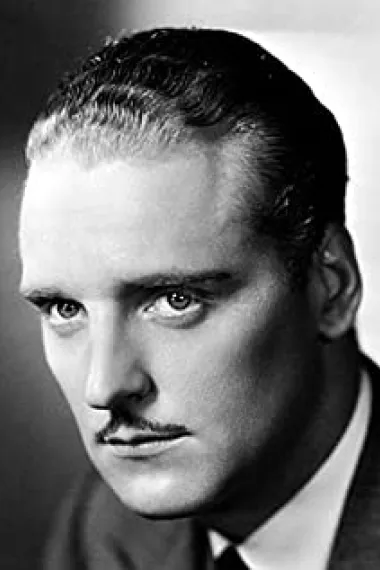
This durable co-star-turned-character man had the steely eyes and
overall slickness of somebody never to trust...and for good reason. For
over two decades George Meeker fit the bill as the guy you loved to
hate in movies. Frequently the spineless third wheel of a romantic
triangle, he always lost the woman in the deal. In politics or business,
he was the crooked lawyer or shady executive who would sell his own
mother for a quick buck. He specialized in crime mysteries and was
invariably the guilty party or the victim who deserved it anyway.

Meeker was born in Brooklyn on March 5, 1904 and studied at the
American Academy of Dramatic Art following high school. After some
stage experience he made his Broadway debut with "Judy Drops In" in
1924 and went on to appear in a handful of plays including "A Lady's
Virtue" (1925), "Back Here" (1928) and "Conflict" (1929). From then on
he focused on films. He started his career auspiciously as silent
pictures were just about to become a part of Hollywood history. A
strong featured part in John Ford's
Four Sons (1928) led to his top-billed
role in the mystery
Thief in the Dark (1928) and
co-star duty opposite both
Nancy Carroll in the comedy
Chicken a La King (1928) and
western star Rex Bell in
The Girl-Shy Cowboy (1928).

Meeker's voice was found quite suitable for talkies and he forged ahead in roles
that grew more unappetizing with time. Often bespectacled and dressed
to the nines, he played the fusty, wimpy, sour-looking fiancé who loses
lovely Sidney Fox in
Preston Sturges' comedy-drama
Strictly Dishonorable (1931),
a role he would play time and again. He went on to lose
Joan Blondell in
The Famous Ferguson Case (1932)
Irene Dunne in the classic
Back Street (1932) and
Margaret Sullavan in
Only Yesterday (1933), among other
ladies. He showed more of his corrupt side in the pre-Code
Afraid to Talk (1932) and just how
homicidal his tendencies could be in the thriller
Night of Terror (1933) in which
he manages to out-evil Bela Lugosi. His
slick looks were nudgingly unpleasant and just this side of
good-looking--ideal for "B" mysteries. He was on the losing end in
plenty of crimers, including
King for a Night (1933) with
Chester Morris,
The Dragon Murder Case (1934)
and
Murder on a Honeymoon (1935).
When he did appear in an "A" picture, he was often uncredited as in
Mr. Deeds Goes to Town (1936),
Stella Dallas (1937),
Gone with the Wind (1939),
Casablanca (1942) and
The Ox-Bow Incident (1942).

By the 1940s and WWII, Meeker started appearing further down the
credits list playing everything from featured roles to one-liners.
Still up to his debonair bad guy antics, he played everything from Nazi
spies in Spy Ship (1942) and
Secret Enemies (1942) to
slick-haired gangsters in
Mr. Muggs Rides Again (1945),
Crime, Inc. (1945) and
Below the Deadline (1946). He
also served up some shady suspects in cliffhangers with
Brenda Starr, Reporter (1945)
and Superman (1948) topping the list.

Meeker retired from movie-making in 1951 and wasn't heard of much until
his death from complications of Alzheimer's disease on August 19, 1984
in Carpenteria, California.